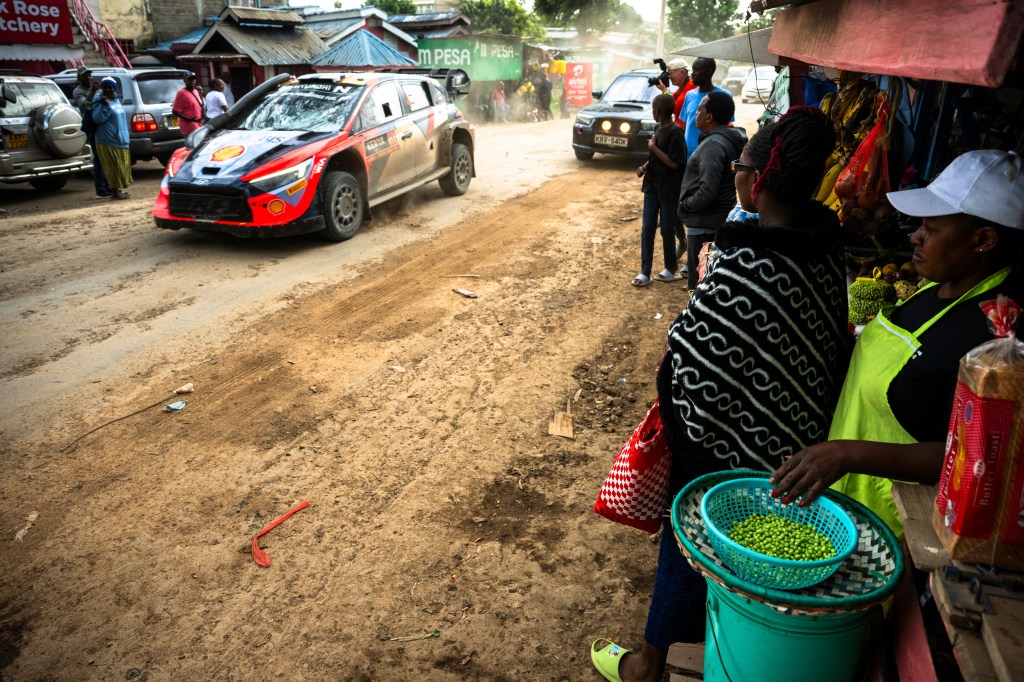
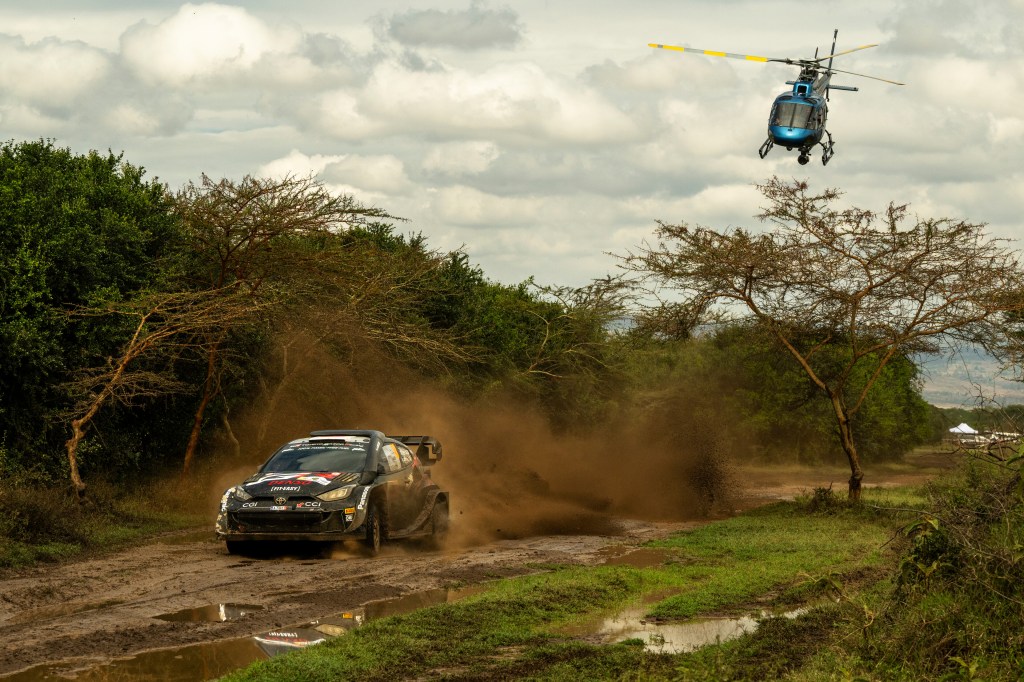
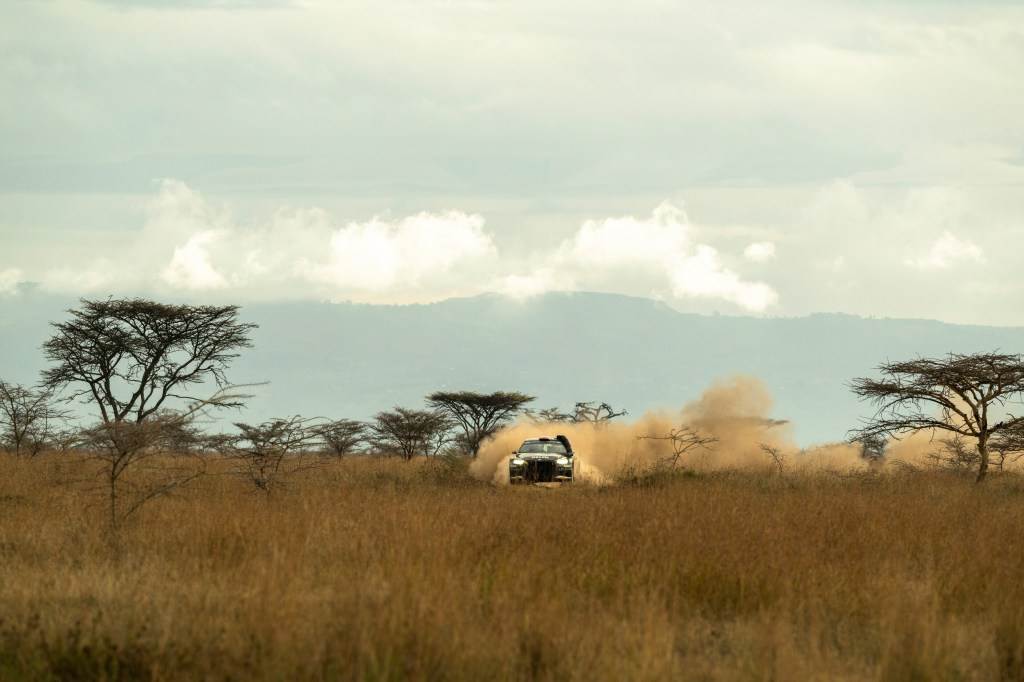
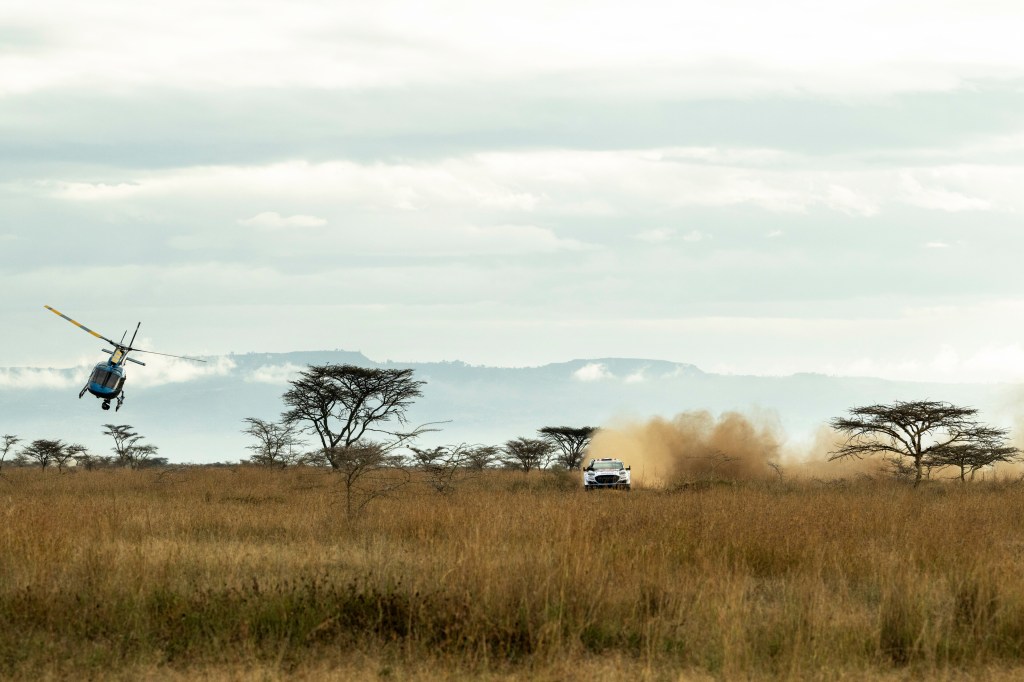
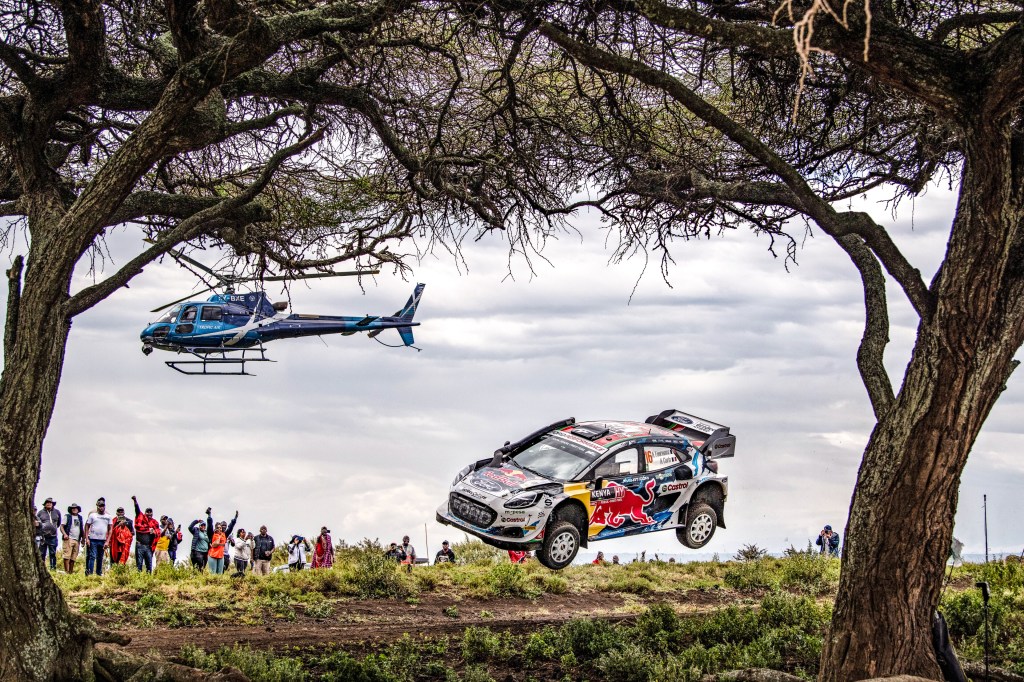
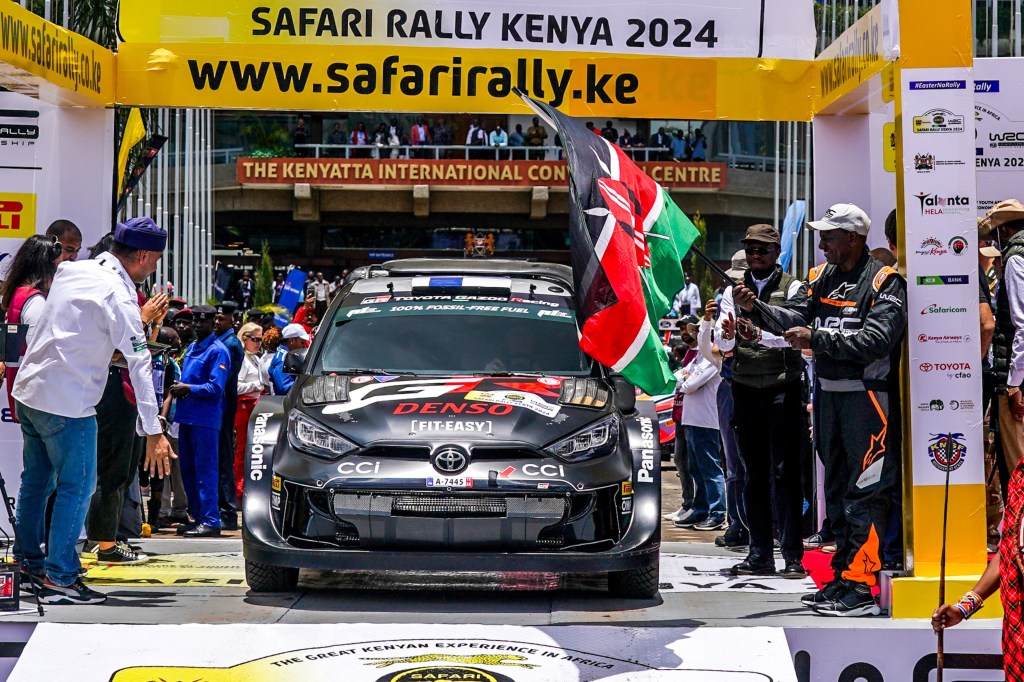
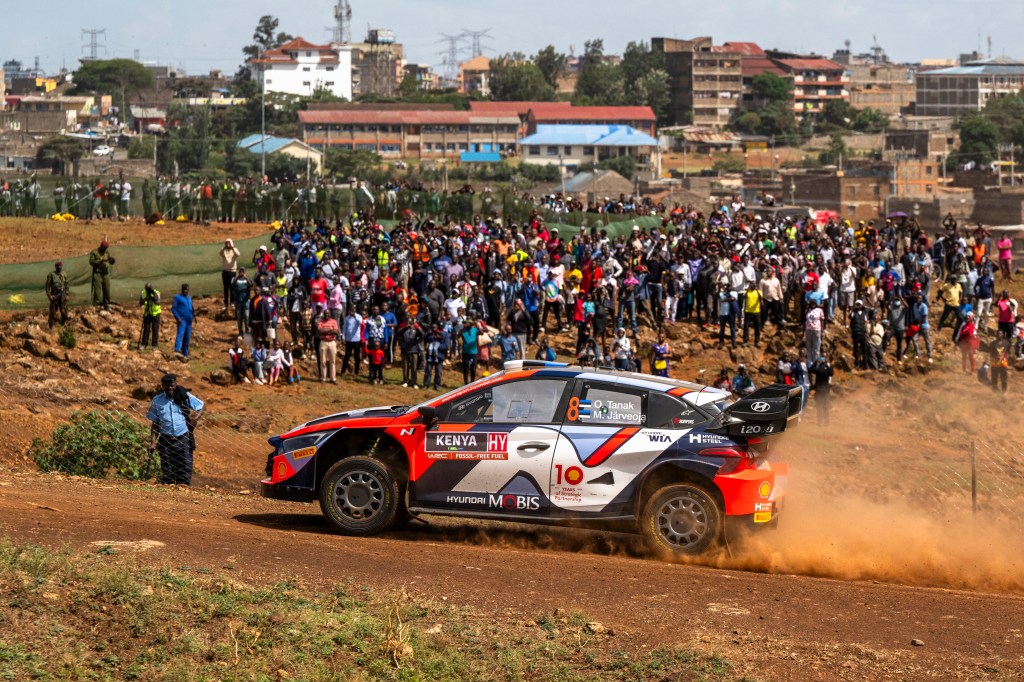
Dust. Rocks. Heat. Wildlife. Welcome to Safari Rally Kenya 2025. For sure, one of the toughest rallies in the world. On March 20, the madness begins. No curbs, no smooth tarmac, no safety zones. Just endless gravel roads, deep sand tracks, and river crossings that can make or break an entire rally. This is not a race. It’s survival.
Since 1953, Safari Rally has been a motorsport legend. Born to honor Queen Elizabeth II’s coronation, it quickly became a battle between man, machine, and the unpredictable forces of nature. Back then, stock sedans tackled thousands of kilometers through East Africa, fighting off dust, heat, and mechanical failures. Today, the machines are more advanced, but the challenge remains the same.
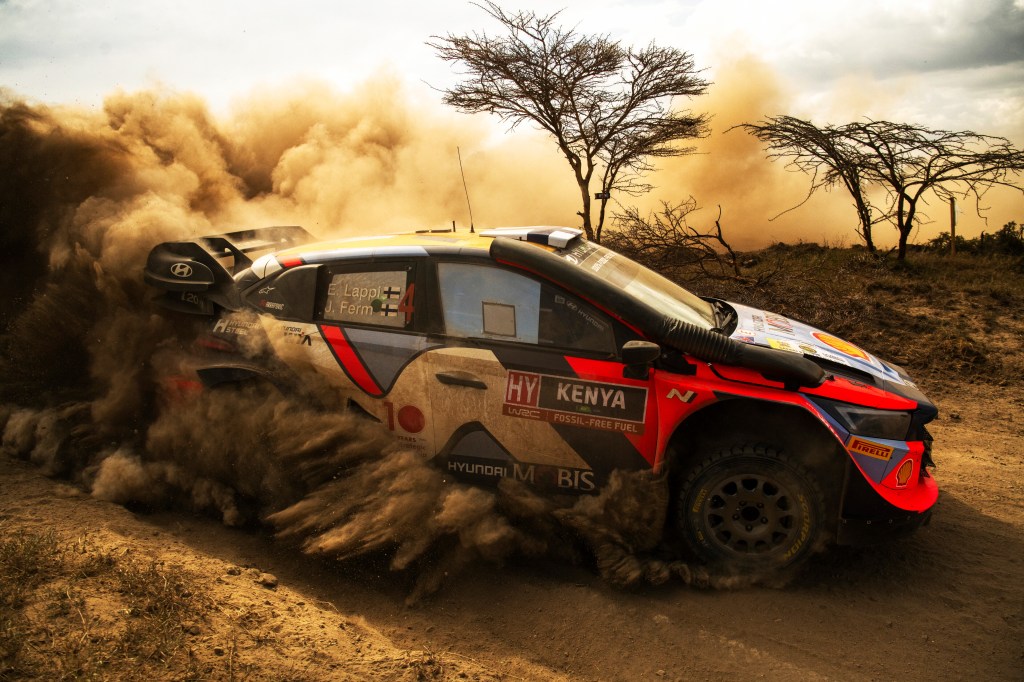
These are 370-horsepower high-tech beasts, built to absorb punishment. Custom suspensions, reinforced bodywork, and cutting-edge rally technology make them some of the most resilient machines on the planet. But even the best-built cars don’t always make it to the finish line. Running on sustainable e-fuels, each WRC car is limited to a €400,000 budget cap – ensuring that endurance and skill, not unlimited budgets, determine the winner.
Pushing the Limits: Where the Road Ends, the Rally Begins
There’s no perfect line, no smooth apex. Just survival.
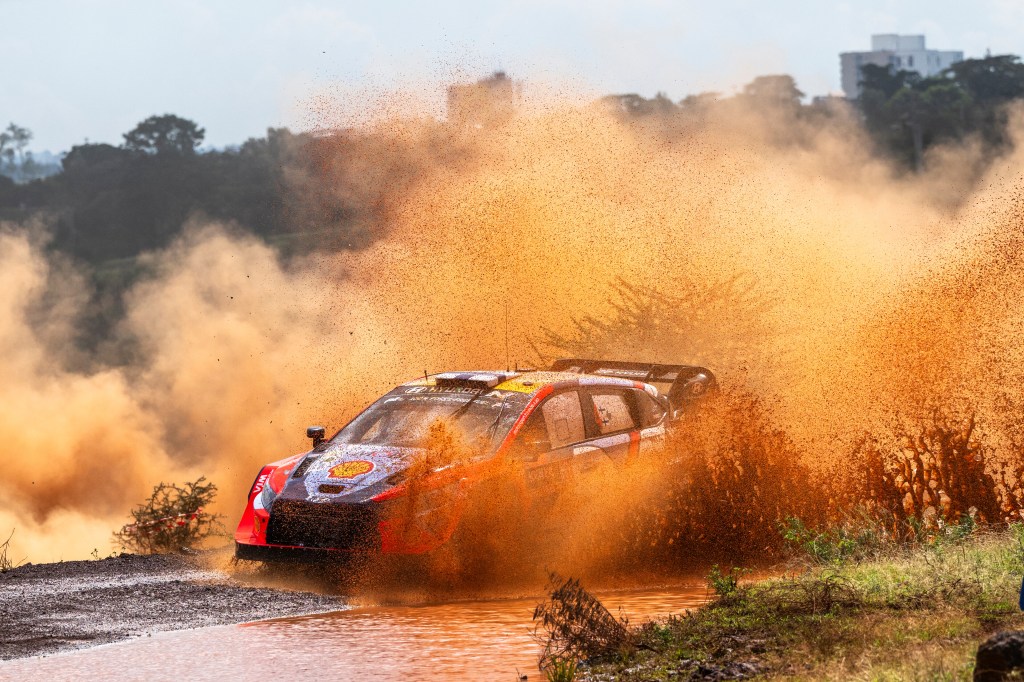
Every stage is a war against the elements. Rocks big enough to wreck suspensions, sand traps that swallow cars, and water crossings where the right speed can mean the difference between floating or sinking. And then there’s the heat – temperatures exceeding 35°C, dust clouds thick enough to block out the sun, and fatigue that sets in long before the rally ends.
Nature Doesn’t Care About Race Strategy
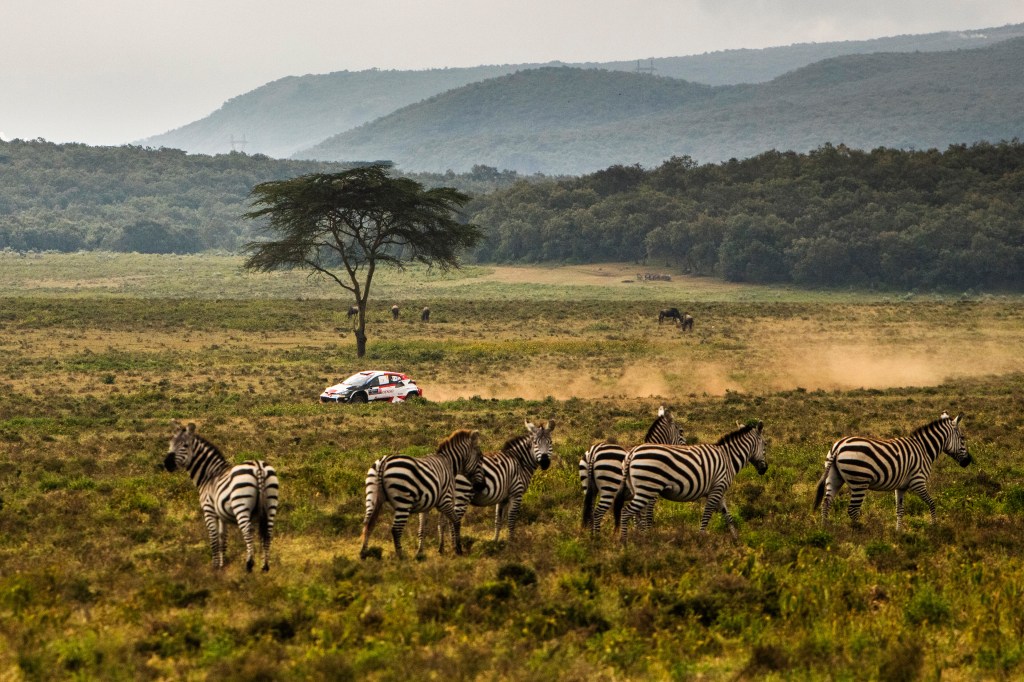
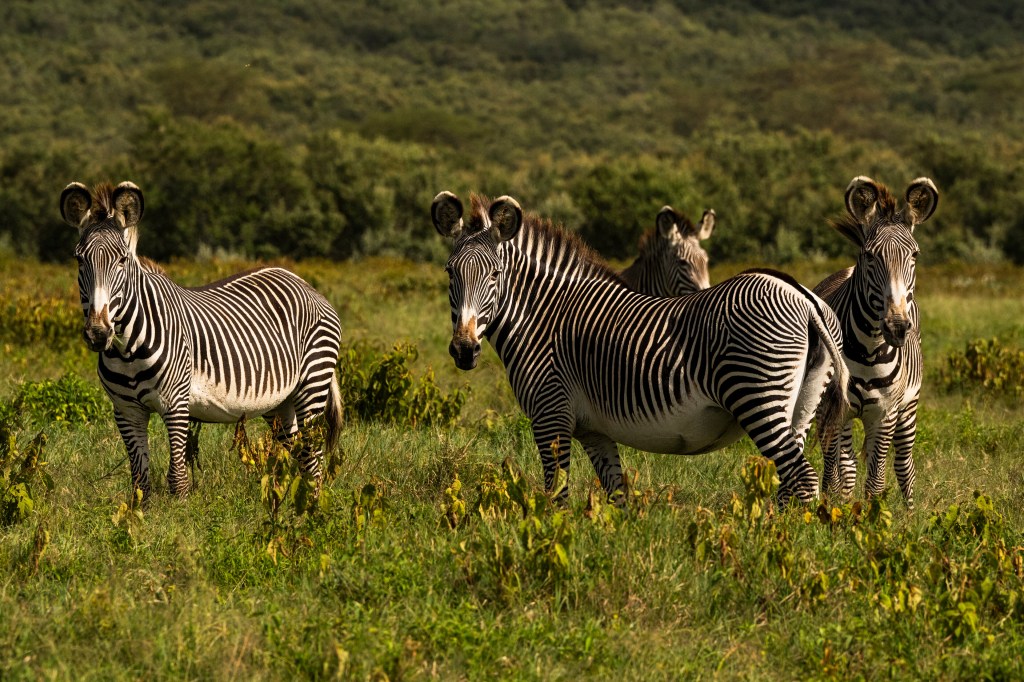
And then there’s the wildlife.
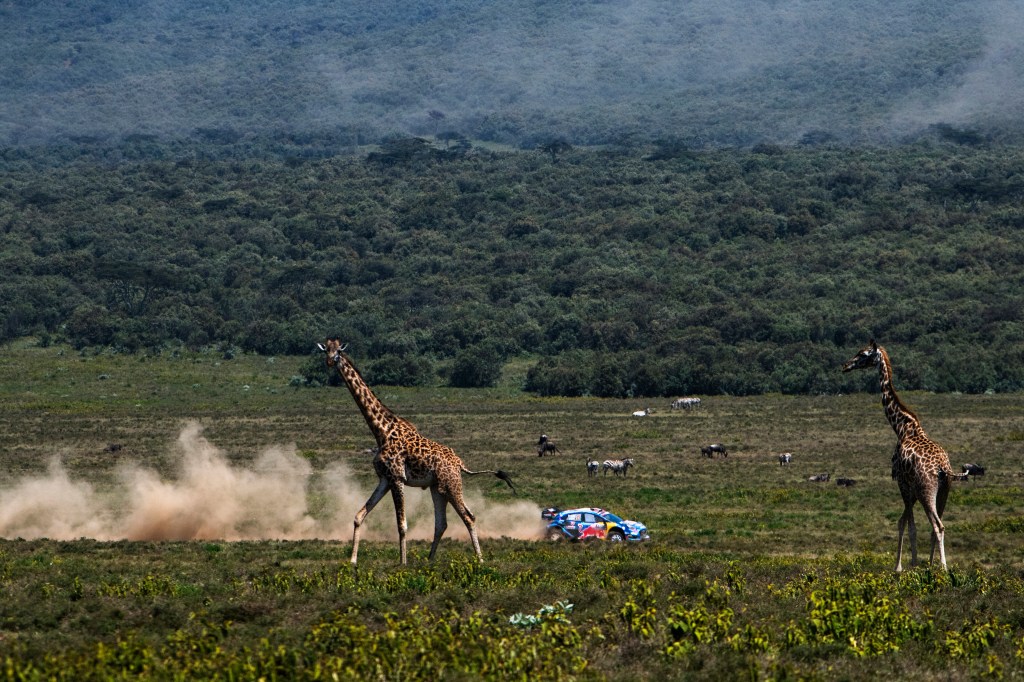
While other races have barriers and gravel traps, Safari Rally has elephants, giraffes, and zebras. Drivers must react instantly, adapting to obstacles that weren’t there seconds before. The rally doesn’t just test driving skill – it tests survival instincts.
One of the Toughest. No Doubt.
- Elfyn Evans (Toyota) – precise, calculated, in control.
- Thierry Neuville (Hyundai) – the reigning world champion, always up for a fight.
- Kalle Rovanperä (Toyota) – fearless, fast, and always pushing the edge.
But in Kenya, favorites mean nothing. You can have the best car, the best team, the best preparation – and still break down in the middle of nowhere, miles from service support.
A Rally with History
First held in 1953, the Safari Rally was once the longest and most brutal event on the WRC calendar. The early years saw drivers racing over thousands of kilometers, navigating dirt tracks and wild landscapes with nothing but paper maps and pure instinct.
After a 19-year absence, the Safari Rally returned to the WRC in 2021. The format is different, but the challenge remains. Unpredictable terrain. Brutal endurance. No margin for error. Every year, it reminds the world why this is not just another rally – this is the ultimate motorsport adventure.
March 20.
The sun will rise over the savanna. The dust will swirl. The engines will roar. And the fight will begin.
Who will master the elements? Who will fall? And who will conquer one of the toughest rallies on earth?
The Safari Rally is back. Wilder, tougher, and more unpredictable than ever.


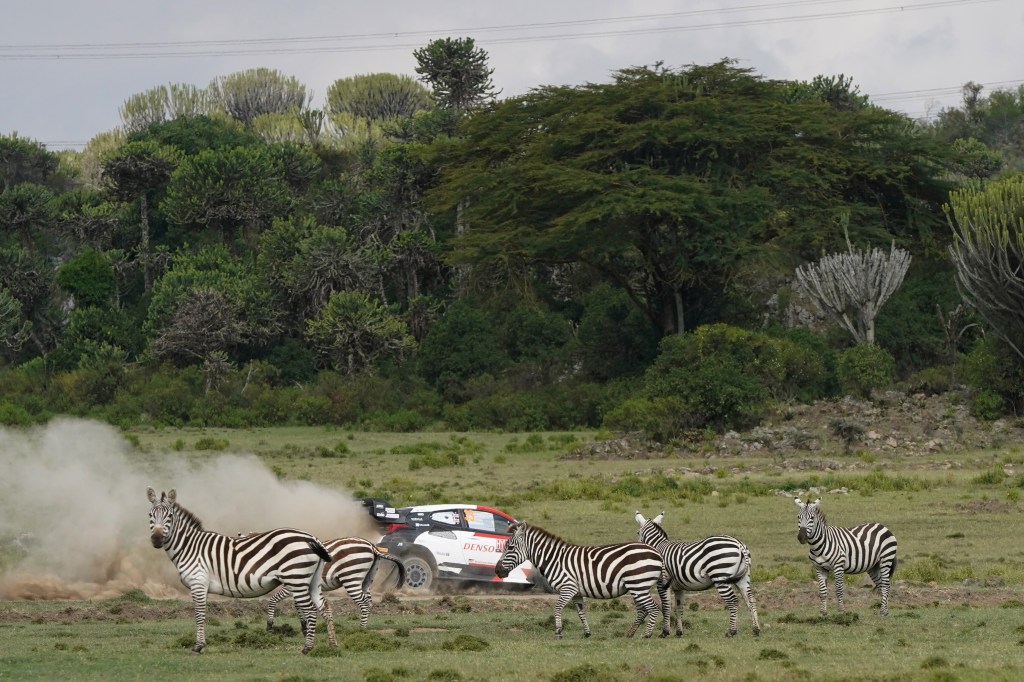
Pictures: Red Bull Content Pool
P1 Fuels Insolvency – What It Means for WRC and the Future of Sustainable Fuels
The WRC’s official fuel supplier, P1 Performance Fuels GmbH, has filed for insolvency, raising concerns about the supply of sustainable fuel for upcoming events. Since 2022, P1 Fuels had been the exclusive provider of 100% fossil-free, hydrocarbon-based synthetic fuel for the championship.
Despite this setback, the Safari Rally Kenya (March 20–23) remains unaffected. The FIA has stepped in, covering the necessary duties for the already shipped fuel in Mombasa, ensuring a smooth continuation of the event.
What’s Next?
The FIA has confirmed that it is already working with stakeholders to secure a new fuel supplier for the remainder of the 2025 season and beyond. It is rumored that a tender process was already in motion before P1 Fuels’ financial difficulties emerged, which could accelerate the search for a long-term sustainable fuel partner.
Key Deadlines
- Safari Rally Kenya (March 20–23) – Fuel supply secured
- Next WRC Round: Canary Islands Rally (April 24–27, 2025) – FIA looking for a replacement
With the growing push for sustainability in motorsport, the WRC remains committed to carbon-neutral solutions. Whether the next supplier comes from Germany, the UK, or another major player in e-fuel technology, one thing is clear: the transition to sustainable fuels is here to stay.
DTM Also Affected
P1 Fuels‘ insolvency also impacts the DTM, which had planned to switch to a synthetic, fossil-free fuel in 2025. The ADAC has already taken action, replacing P1 Fuels with Coryton, a UK-based provider specializing in sustainable fuel solutions. The transition ensures that the DTM will continue its sustainability strategy without disruption.


Hinterlasse eine Antwort zu Geile News für alle Rallye-Fans!!! – HolgerKliem.com Antwort abbrechen