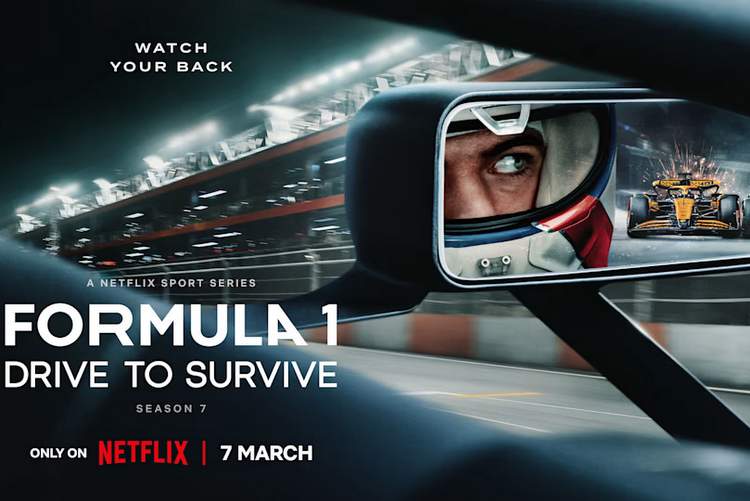
From a communication perspective, „Drive to Survive“ is a masterpiece of modern storytelling, strongly aligned with the principles of emotional and narrative journalism. Here are some key success factors:
Emotional Focus on Characters
The series does not just focus on the races but on the people behind them: drivers, team principals, mechanics, and engineers. Instead of simply presenting race results, it tells personal stories filled with highs and lows. This approach attracts viewers who are not necessarily hardcore F1 fans.
Heroes, Rivals, and Antagonists
Each season follows a dramatic structure with clear protagonists and conflicts. The series creates heroes like Max Verstappen, Charles Leclerc, or Lando Norris, while also showcasing rivalries (Hamilton vs. Verstappen) and even villain-like figures (e.g., Günther Steiner as a tough team boss). This makes it as engaging as a Netflix drama rather than a traditional sports documentary.
Access to Exclusive Insights
„Drive to Survive“ offers content that regular coverage does not show: team radio, internal meetings, and emotional reactions behind the scenes. This fosters a sense of closeness and authenticity, even if some scenes are dramatized.
Dramatic Intensification
A frequently discussed aspect: The series condenses and interprets events to build suspense. Some dialogues or radio messages are taken out of context or even edited differently afterward. While this may be questionable from a journalistic standpoint, it works exceptionally well as an entertainment product.
Expanding the Audience & Brand Building
Through its storytelling approach, Formula 1 has attracted entirely new audiences—especially in the U.S. and among younger demographics. Liberty Media successfully repositioned the F1 brand and made it more accessible to the social media generation. Since the first season in 2019, Formula 1’s popularity has skyrocketed worldwide—particularly among younger fans. The U.S. has seen a dramatic rise in interest, with Liberty Media benefiting from increased TV ratings, booming ticket sales, and an expanded calendar featuring three U.S. races (Austin, Miami, Las Vegas).
Criticism: Where Does Storytelling End and Manipulation Begin?
While fans love the series, there is also criticism. Some drivers argue that the show does not always paint an authentic picture:
– Sebastian Vettel: The four-time world champion watched only one episode and stated, „I found it a bit weird because it was so far from reality.“ However, he acknowledges that the series has introduced F1 to a new audience.
– Max Verstappen: The three-time champion boycotted the series for some time, calling the added drama artificial.
– Lewis Hamilton and others: They have also criticized Netflix for exaggerating conflicts to enhance the excitement.
The Future: Season 7 and New Storylines
Season 7 will be released on March 7, 2025—just before the season opener in Melbourne (March 16). Netflix has not yet revealed episode details, but some key storylines are expected:
– The title fight between Max Verstappen and Lando Norris
– The intense constructors‘ battle between Red Bull, Ferrari and McLaren
– The already confirmed move of Lewis Hamilton to Ferrari
– The departure of fan favorite Daniel Ricciardo
Conclusion: Communication Genius or Manipulation?
From a storytelling perspective, „Drive to Survive“ is a stroke of genius, demonstrating how sports can be reinterpreted through narrative storytelling. The key question remains: How much reality should be blended with dramaturgy? Nonetheless, the series has proven how effective storytelling can make even a highly complex sport emotionally compelling and accessible to a mass audience.
These numbers highlight that Drive to Survive is not only a highly successful series but has also played a major role in Formula 1’s global expansion. 🚀🏎️
Drive to Survive
- Number of Seasons: 6 (since 2019)
- Release Date of Season 7: March 7, 2025
- Total Episodes: 60
- Average Episode Length: 27–51 minutes
Viewership Statistics
- 127 million total views across all seasons (May 2023)
- 20% of Netflix viewers have watched at least one episode
- 63% of viewers binge-watch at least three episodes in a row
Impact on Formula 1
- Since the first season, Formula 1’s global fan base has grown by over 40%
- In the U.S., ESPN’s average F1 viewership has doubled since 2018
- 50% of the 45 million F1 fans in the U.S. only started following the sport in the past five years
- The show has significantly increased the number of female viewers:
- 70% of traditional F1 fans are male, whereas Drive to Survive viewers have a more balanced split (54% male, 46% female)
- 26% of Drive to Survive fans had no prior interest in Formula 1 but were drawn to the sport through the series
Financial Impact
- Formula 1 sponsors have gained an estimated $42.2 million in additional sponsorship value due to the show
- Netflix has extended its contract with Formula 1 to produce additional seasons, recognizing the massive commercial impact of the series
Popularity and Search Trends
- Google searches for Drive to Survive have increased annually in the UK and the U.S. with each new season
- The show’s popularity in the U.S. has increased tenfold compared to 2021

Hinterlasse einen Kommentar